International (EUR)

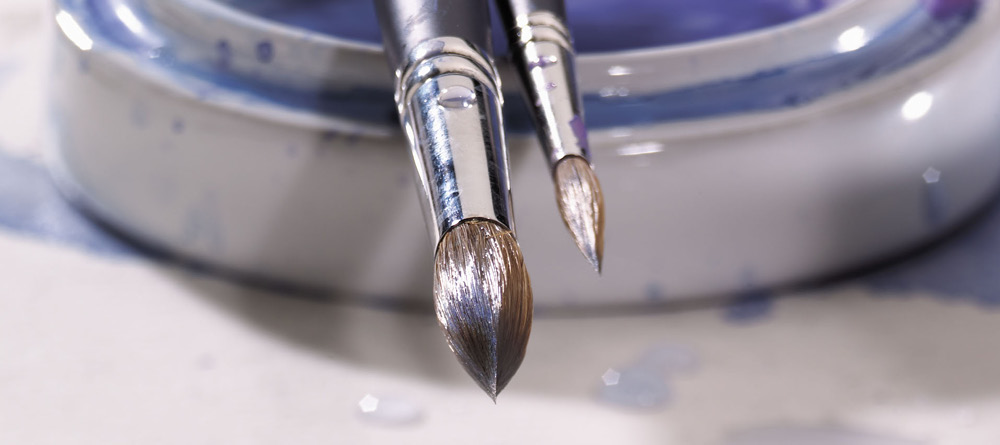
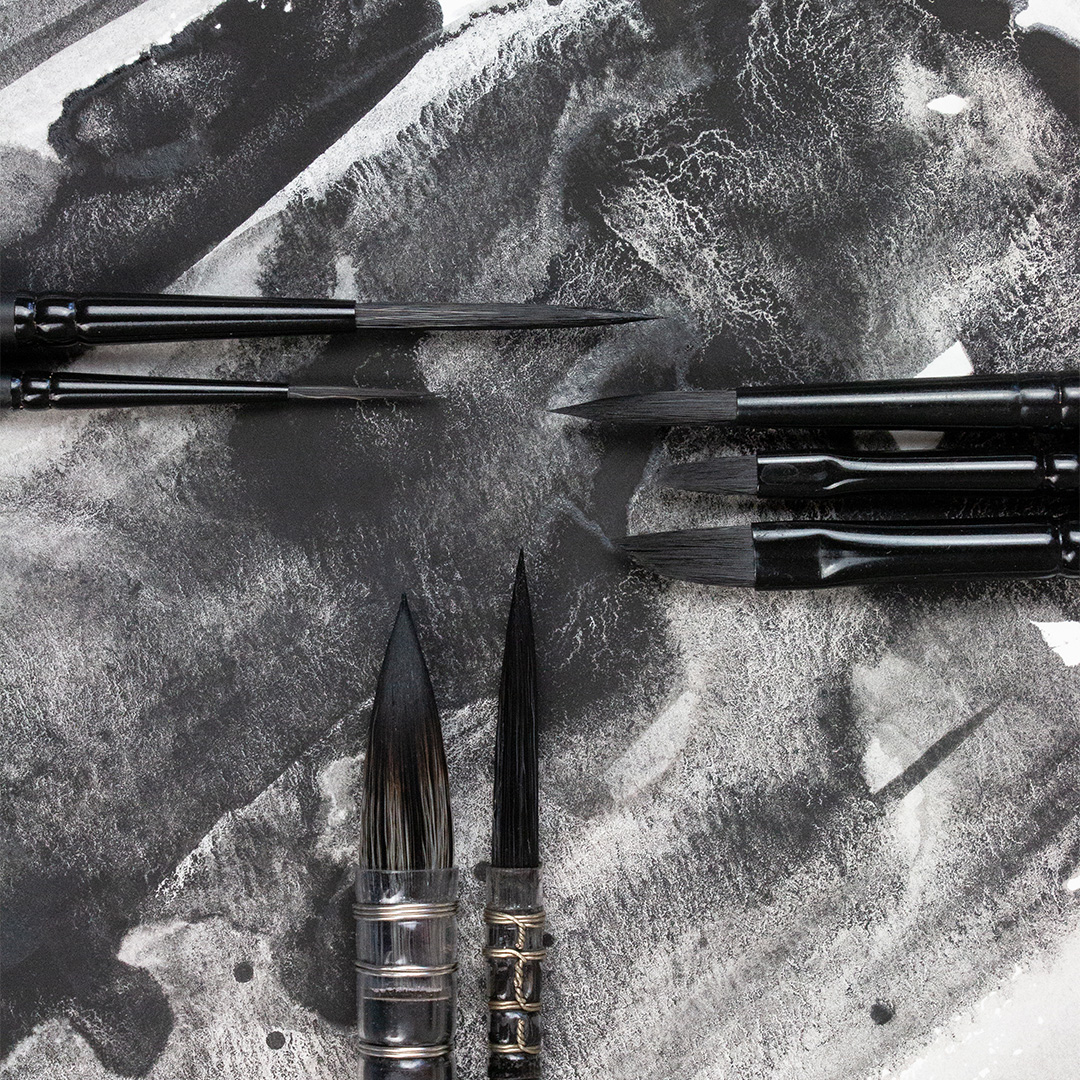
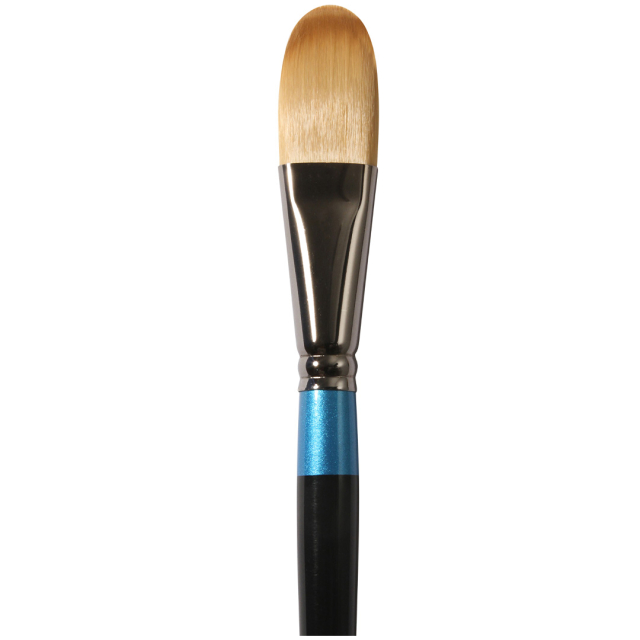
Watercolour brushes come in many different shapes, and each type creates its own unique effect on the paper. Some brushes are designed for large washes and soft backgrounds, while others are better suited to fine details, textures or expressive brushstrokes. In this guide, we go through the most common types of watercolour brushes, how they differ and what they are used for.
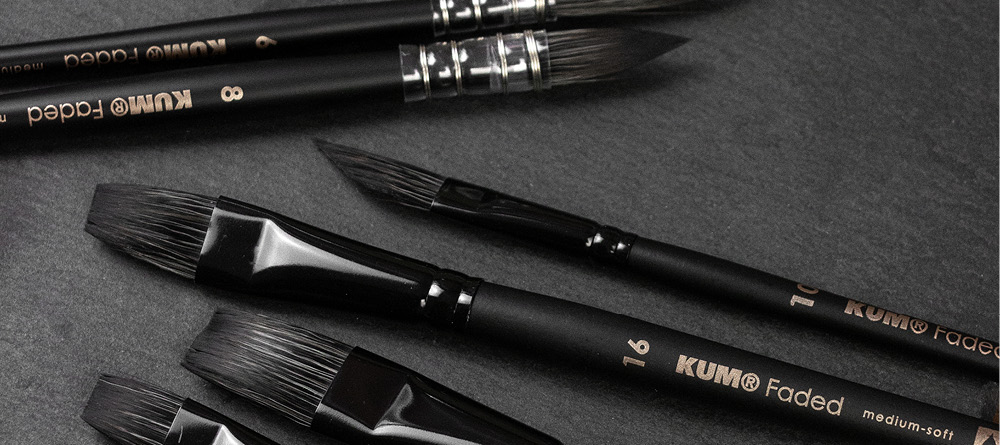
| Type of watercolour brush | Characteristics | Best suited for |
|---|---|---|
| Round | Pointed tip and rounded body | All-round painting, details and washes |
| Flat | Flat and straight shape | Backgrounds, straight strokes and large areas |
| Mop | Soft brush with high water capacity | Large washes and soft transitions |
| Liner / rigger | Long and thin tip | Fine lines and details |
| Fan | Flat and spread-out shape | Textures, grass and foliage |
| Water brush | Built-in water reservoir | Sketching and portable painting |
Round watercolour brush
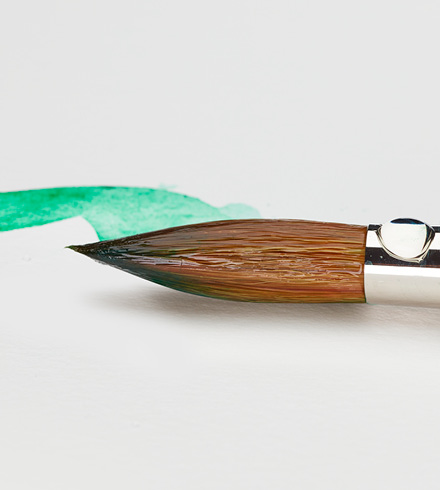
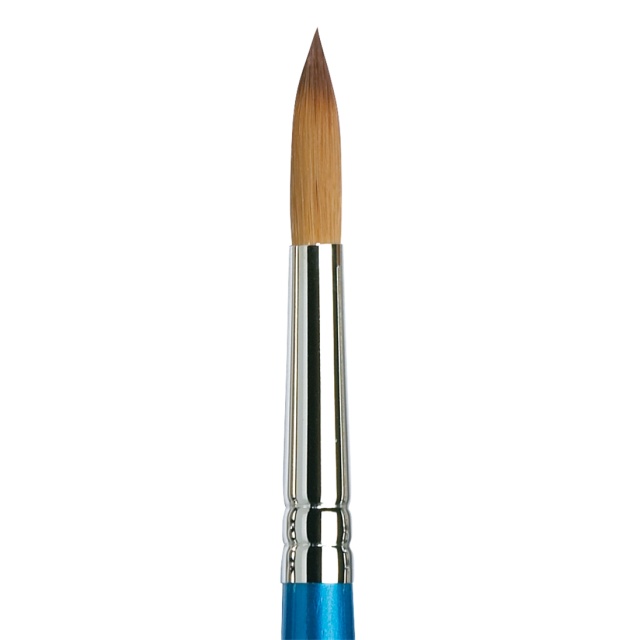
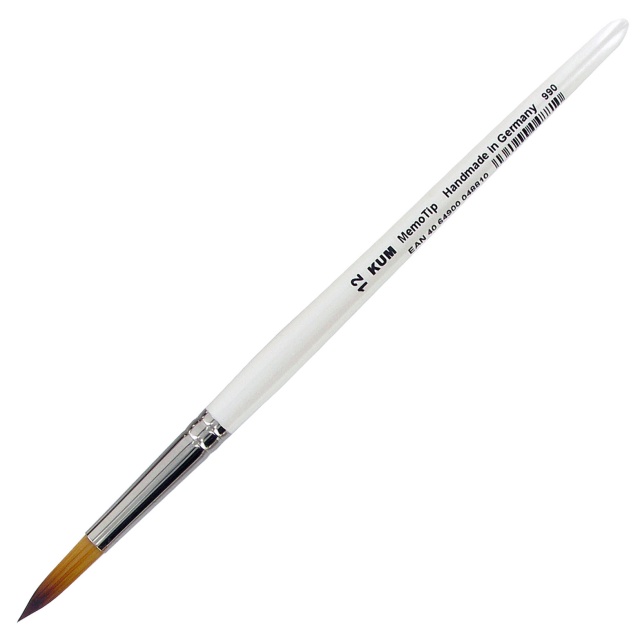
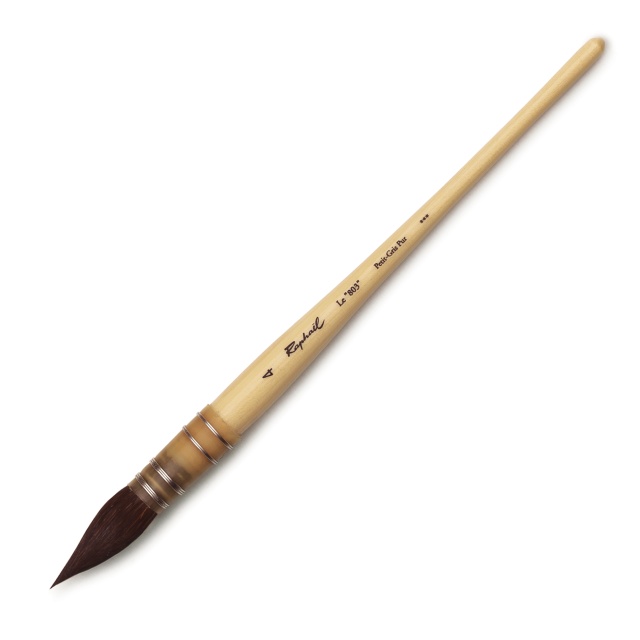
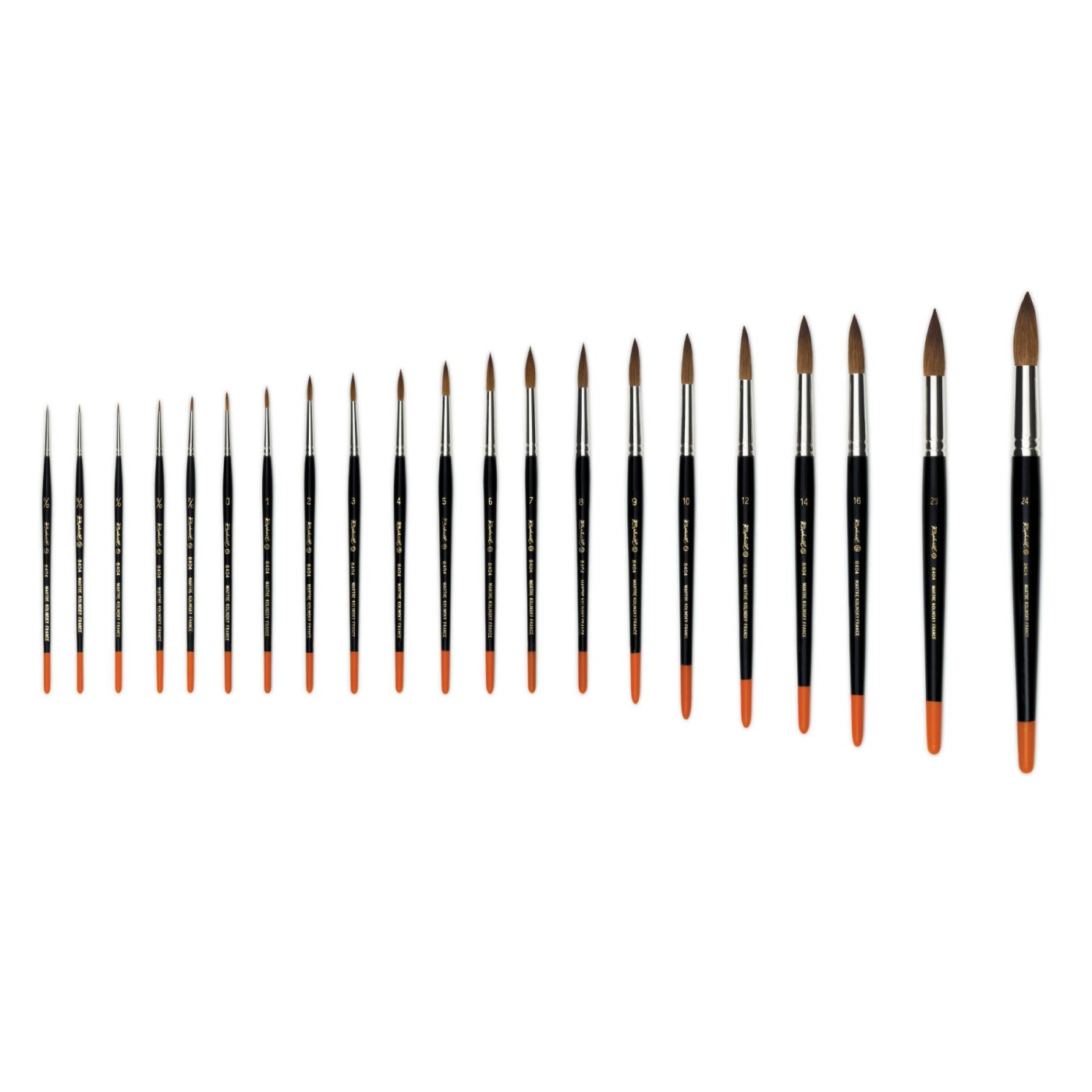
The round watercolour brush is the most common and versatile type of watercolour brush. Its pointed tip allows you to paint both fine details and broader brushstrokes depending on how much pressure you apply. If you are only going to buy one brush, this is the one to choose!
When do you use a round watercolour brush?
- Washes and larger areas of colour
- Details and lines
- Flowers and organic shapes
- Sketch-like brushstrokes
- General watercolour painting
Round brushes are available in many sizes and are often the best choice for beginners because they work well for almost everything.
All round watercolour brushes →
Flat watercolour brush
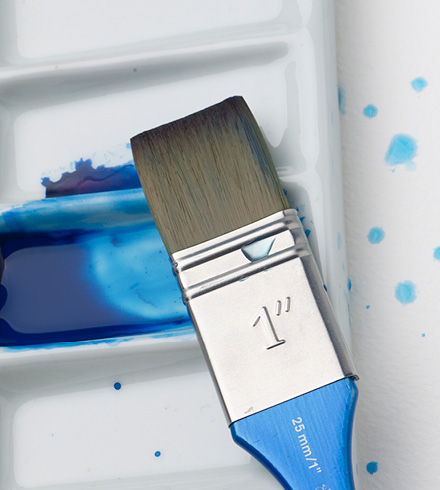
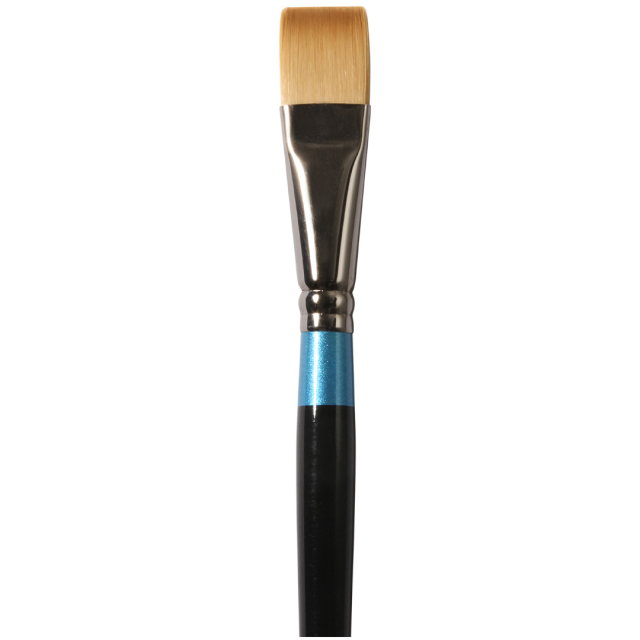
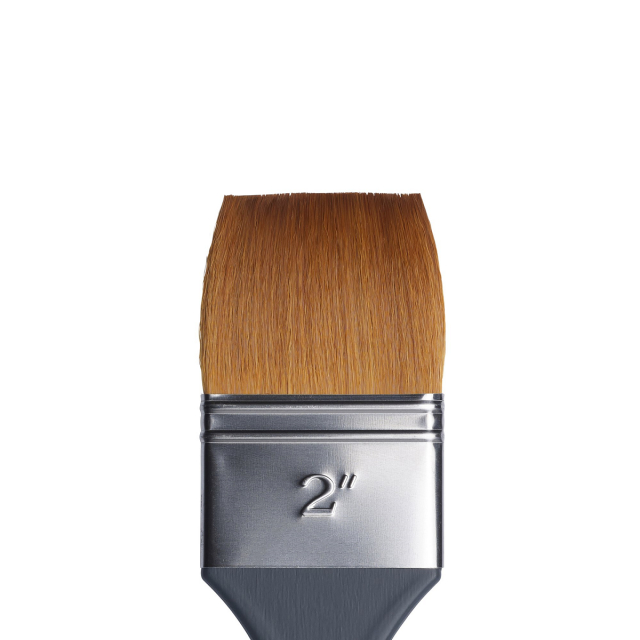
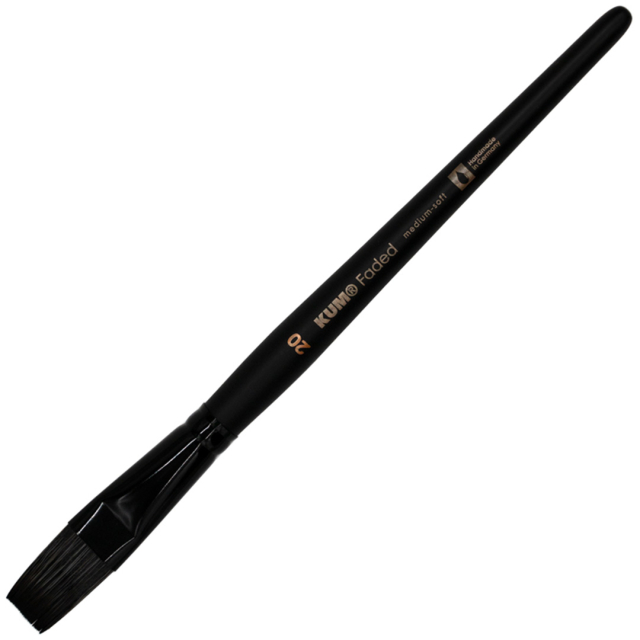
The flat watercolour brush has a wide and straight tip that makes it easy to create smooth and controlled brushstrokes. It is often used for larger areas of colour and straight edges where you want an even layer of paint.
When do you use a flat watercolour brush?
- washes and backgrounds
- large areas of colour
- straight lines and edges
- geometric shapes
- wetting the paper
Flat brushes are popular for landscapes, skies and other subjects where you want to cover larger areas quickly and evenly.
All flat watercolour brushes →
Liner / rigger watercolour brush
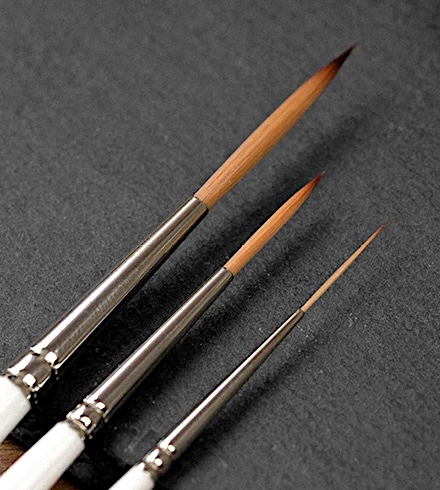
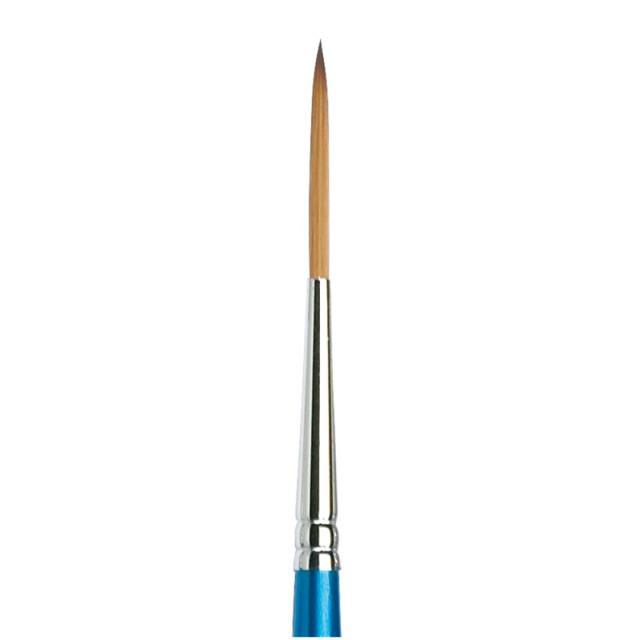
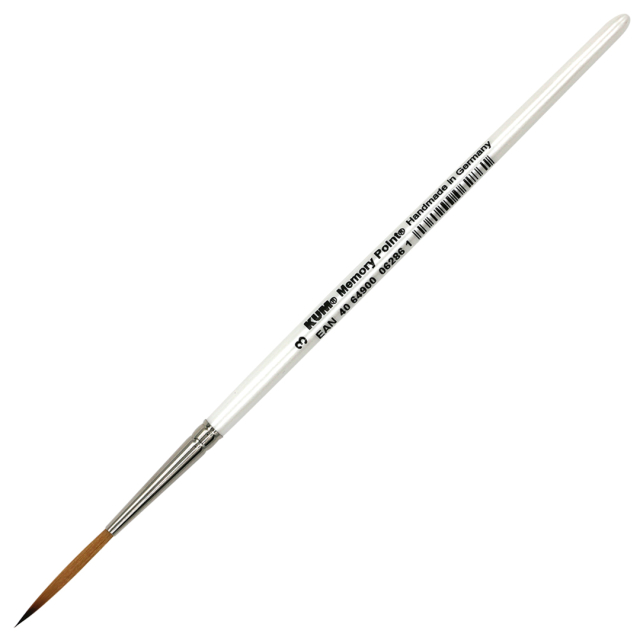
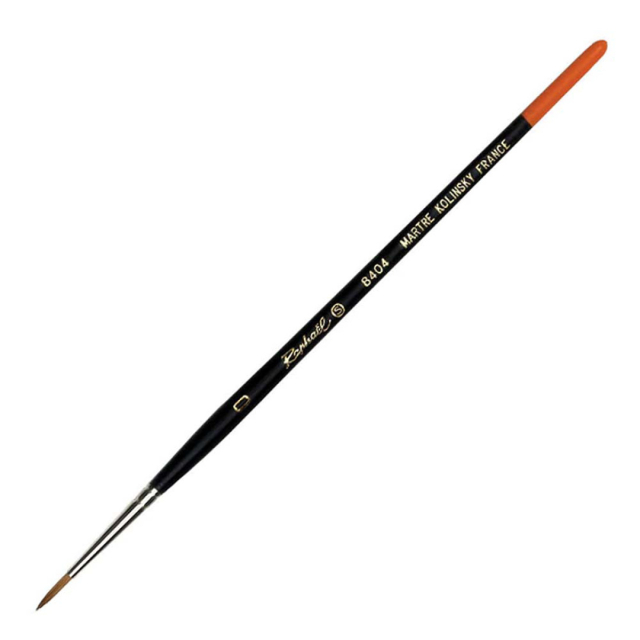
The liner brush, also known as a rigger brush, has a long and thin tip designed for creating flowing and controlled lines. It holds more paint than you might expect, allowing you to paint longer lines without dipping the brush as often.
When do you use a liner/rigger brush?
- branches and twigs
- hair and fur
- fine lines
- calligraphic brushstrokes
- detailed work
Liner brushes are popular in landscapes, botanical painting and illustration, where precise and ultra-fine lines with a soft and fluid feel are needed.
All liner / rigger brushes for watercolour →
Mop watercolour brush
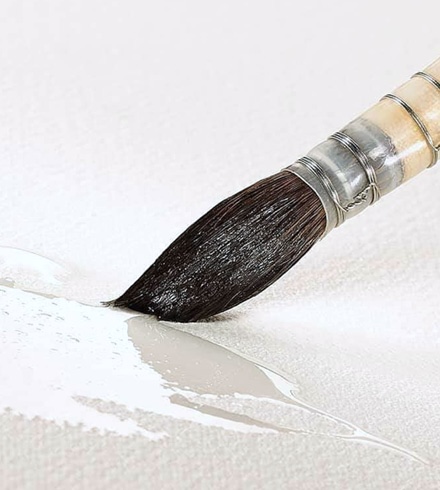
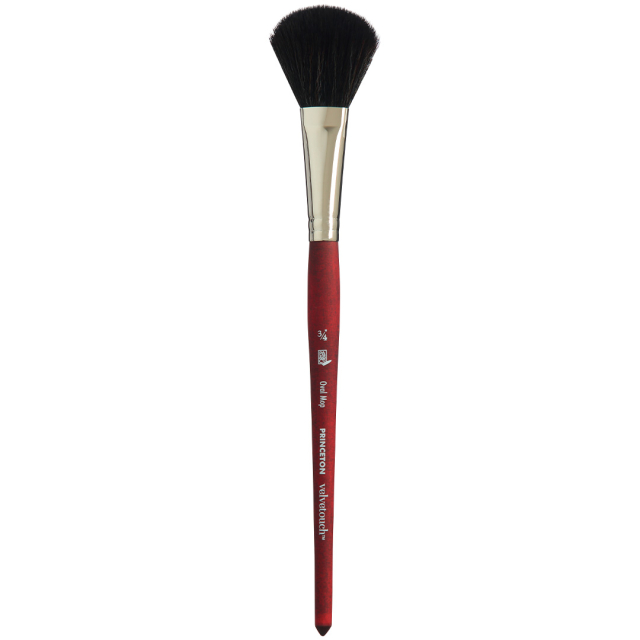
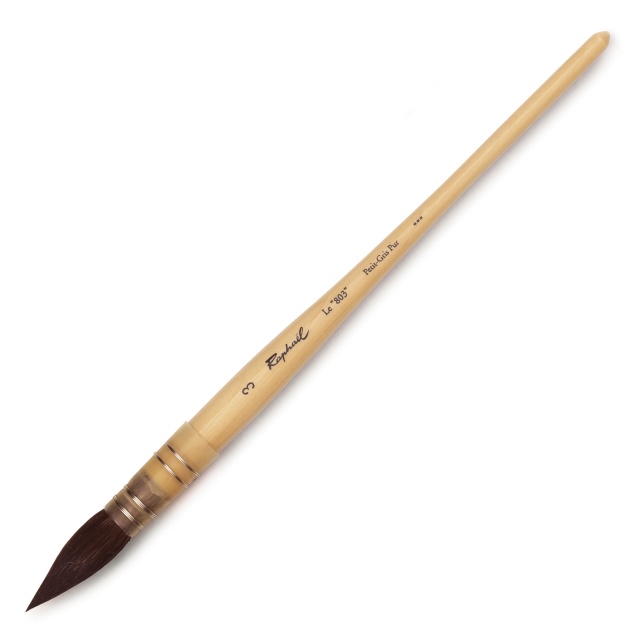
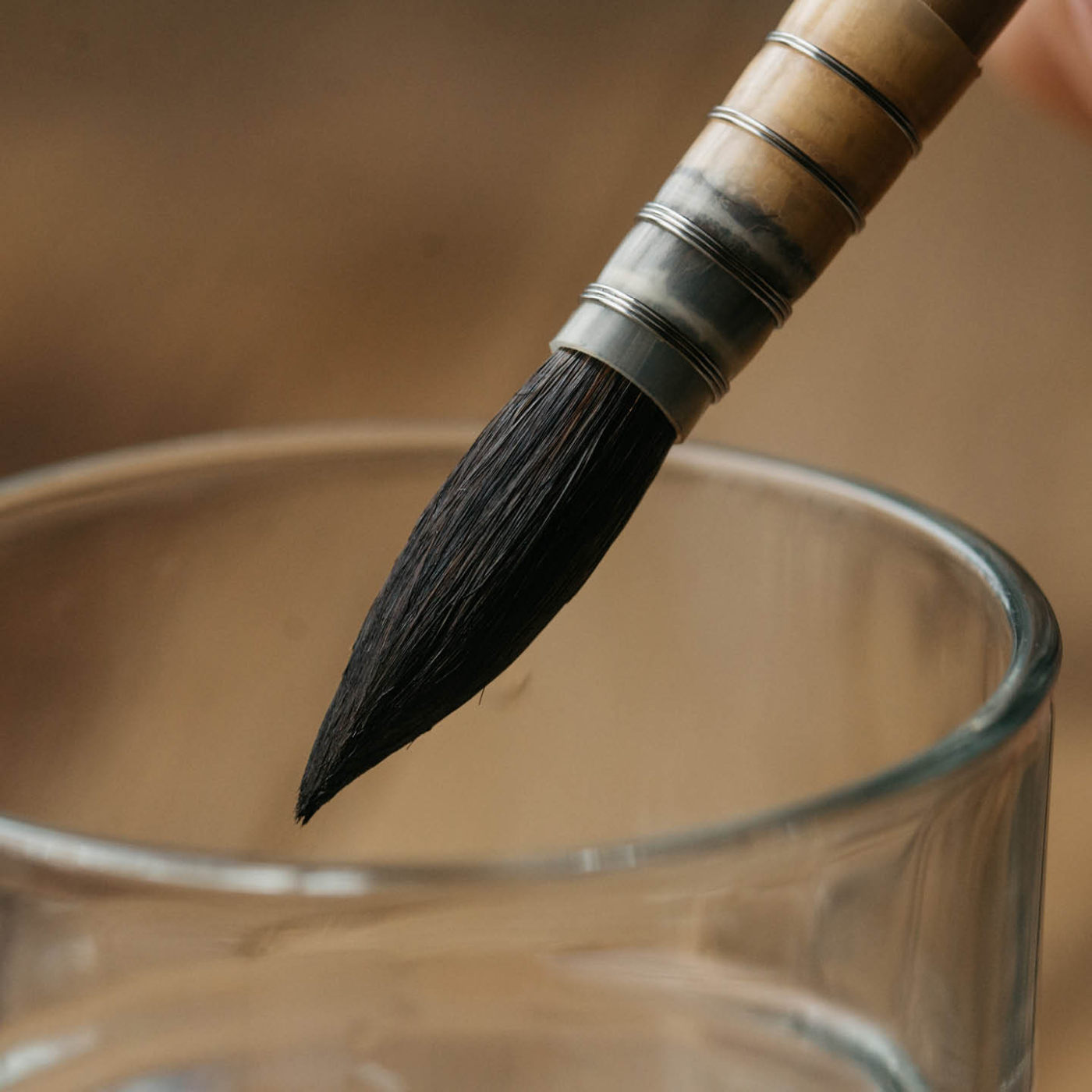
Mop brushes come in different shapes but are known for their softness and high water capacity. They are large and soft watercolour brushes that can hold a lot of water and paint, making them popular for loose and soft watercolour paintings where you want to work quickly across larger areas without harsh brushstrokes.
When do you use a mop brush?
- large washes
- backgrounds and skies
- soft transitions
- loose and expressive watercolour painting
- holding a lot of water and pigment
Fan watercolour brush
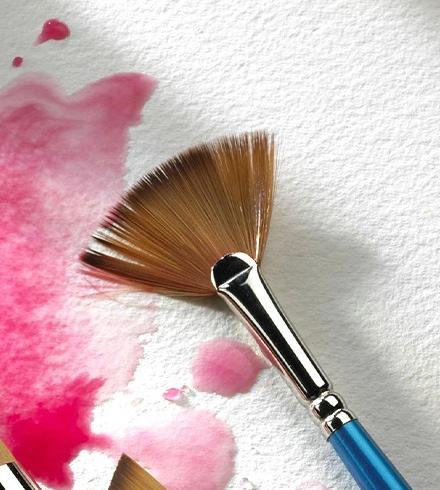
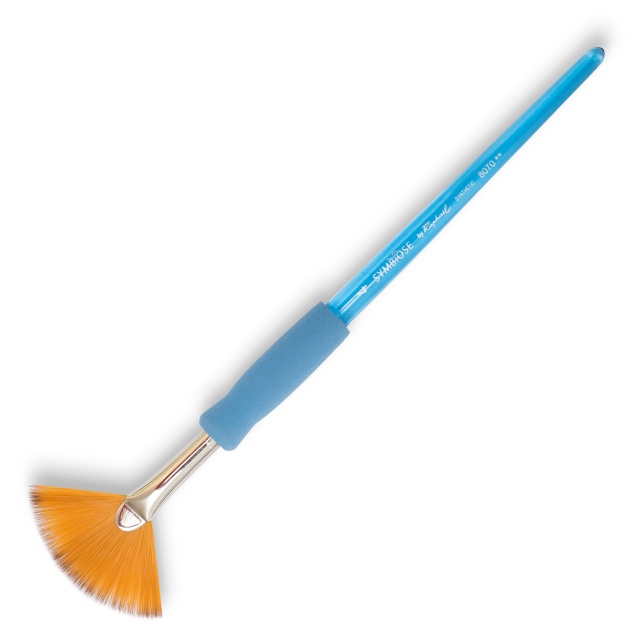
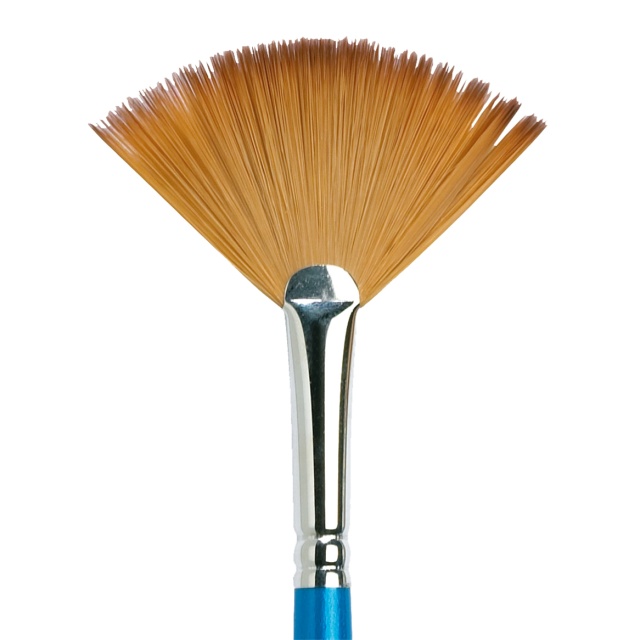
The fan brush has a flat and spread-out shape where the bristles fan out like a handheld fan. It is mainly used to create texture, variation and lively effects in watercolour paintings.
When do you use a fan brush?
- grass and reeds
- foliage and bushes
- hair and fur
- clouds and textures
- special effects
Fan brushes are popular when you want to create more organic and dynamic brushstrokes without painting every detail separately.
Water brush for watercolour
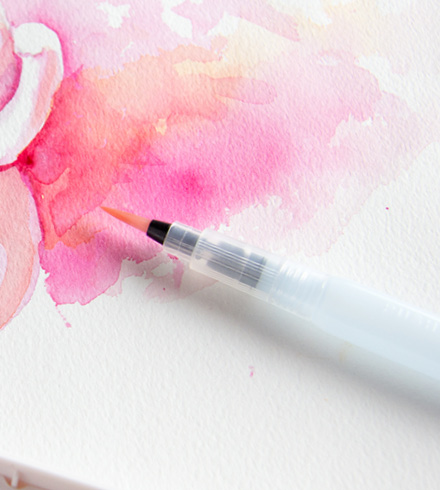
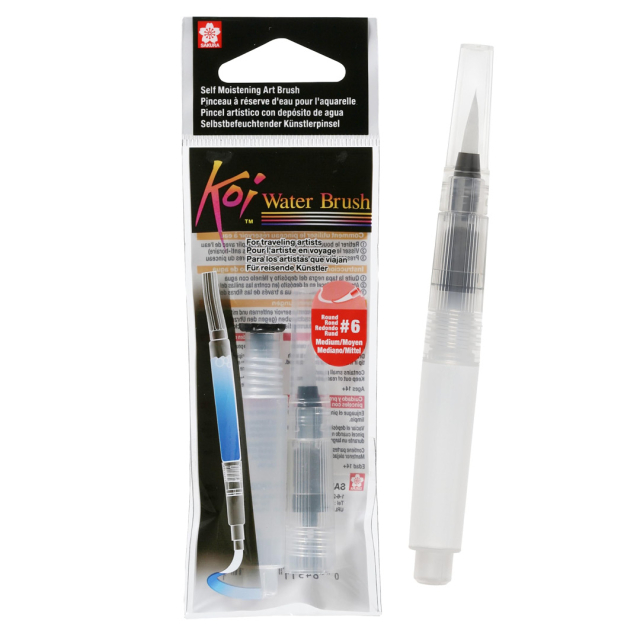
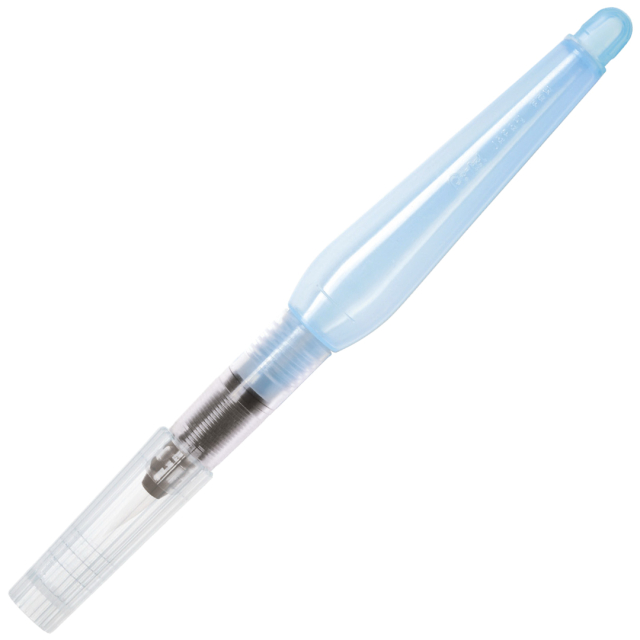
The water brush has a built-in water reservoir in the handle, allowing water to flow directly into the brush tip while you paint. It comes in several different shapes and sizes, from pointed round brushes to flat brushes, depending on the type of expression and technique you want to work with.
When do you use a water brush?
- urban sketching
- travel and plein air painting
- quick sketches
- with watercolour pencils and watercolour crayons
Water brushes are especially practical when you want to paint easily and portably without bringing a lot of equipment with you.
Which watercolour brush should you choose?
If you are new to watercolour, you do not need a whole collection of brushes to get started. Many watercolour artists get far with a medium-sized round brush, as it works well for both details and larger washes.
A good starter set could include:
- a round watercolour brush for all-round painting
- a smaller liner or detail brush for fine lines
- a mop or flat brush for washes and larger areas
The best brush for you also depends on what you enjoy painting. Landscapes and loose watercolours often benefit from larger mop brushes, while illustration, botanical painting and detailed work usually require smaller and more precise brushes. Over time, many artists also expand their collection with more specialised brushes for specific techniques, subjects and styles.
Feeling lost among all the different brands and models? In our buying guide to watercolour brushes, you will find quick tips on brushes suited to different painting styles and skill levels.
Go to the guide→


Brushes →
Watercolour →
Pads →